Exclusive interview with new WLGA President Mr. Donal Murphy, Chief Executive, DCC plc
The Voice is very pleased to speak with Mr. Donal Murphy on the occasion of his appointment, and to hear his perspectives on the future of our association and the global LPG industry.
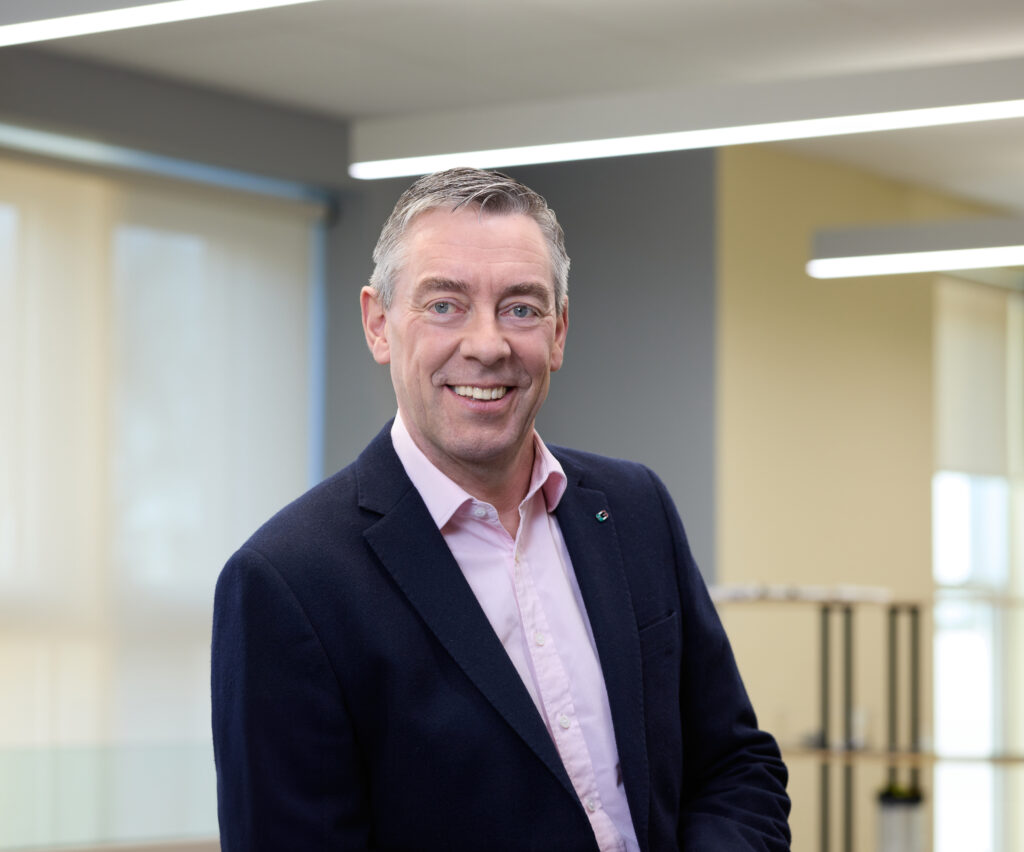 The Voice: Donal many thanks on taking the time to speak to us and congratulations on your appointment as WLGA President. What does this role mean to you personally and professionally?
Donal Murphy: It’s a real honour to serve as President of the World Liquid Gas Association. Personally, it’s a moment of pride to contribute to an industry that plays such a vital role in delivering clean, reliable energy to communities all around the world. Our industry provides essential energy to approximately 3.3 billion people across the global, enabling people and businesses to grow and progress. Professionally, it’s a responsibility I take very seriously, to listen and lead with purpose, and to help shape a future where liquid gas, and especially renewable liquid gas, is recognised as a central part of the global energy transition. I am certain of the pivotal role our industry has to play in a just transition.
TV: Looking ahead, what is your vision for the association under your leadership?
DM: My vision is for WLGA to be a united voice for the entire liquid gas industry, one that champions safety, innovation, sustainability, and practical solutions for everyone. I want us to promote the power of liquid gas in the energy transition, ensuring it is recognised not just as a cleaner alternative today, but as a future-ready energy source. That means advocating for policy recognition across the globe, supporting our members with actionable insights and innovations to drive demand, and fostering collaboration across sectors to unlock new opportunities for growth.
TV: Over the next two years of your presidency, what priorities will you focus on to advance that vision?
DM: My role is to support James Rockall and the WLGA team to deliver on our new three-year strategic plan, keeping the focus in particular on our four key pillars:
- Advocacy: Strengthening our voice in global and regional forums, building strategic partnerships, and showcasing credible case studies to influence policy outcomes.
- Safety and Business Improvement: Enhancing operational excellence and public trust through updated best practices and inclusive knowledge-sharing.
- Sustainability, Growth and Innovation: Supporting renewable liquid gas production by connecting members with technology providers, feedstock suppliers, and investors.
- Communications: Elevating public awareness through thought leadership, media engagement, and adaptable communications tools that reflect the realities of local markets.
These priorities were endorsed by the Industry Council at our recent meeting in Rio de Janeiro, during World Liquid Gas Week.
TV: The LPG industry is facing a period of transition. What do you see as the key challenges the sector must address in the coming years? And the greatest opportunities for growth and innovation?
DM: One of the biggest challenges we face is the lack of policy recognition for liquid gas and renewable liquid gas in the energy transition. This holds back investment and prevents long-term commitments, even though these solutions are market-ready and aligned with sustainability goals. Another challenge is ensuring the industry remains flexible and market-based while navigating the energy trilemma: affordability, sustainability, and security. Each of us need to be advocates for liquid gas in our own countries and regions.
The opportunities, however, are significant. Liquid gas is a clean, reliable and cost-effective energy solution, particularly for customers off the natural gas grids. It is also a cleaner solution for customer in the hard to abate sectors of the market. Renewable liquid gases like BioLPG and rDME offer further emissions reductions as drop-in fuels and will position our industry as not just a solution for the energy transition but rather as a vital long-term component of the energy mix.
There are also significant opportunities ahead of us to leverage digital technologies and AI, to create new demand for our products and services, to make it easier for our customers to work with us and to drive greater operational efficiencies across our organisations. Innovation, collaboration, and regional engagement will be key to unlocking these opportunities.
TV: Finally, in your view, how can WLGA best support its members and the wider industry in navigating both the challenges and opportunities outlined?
DM: The WLGA can support its members by being the voice of the industry and acting as a catalyst for change, providing authoritative content, expert insights, and platforms for collaboration. The WLGA must lead the advocacy agenda across the globe and provide a consistent set of messages for members to use in their local markets and regions. We must continue to respond to these needs through regional and thematic events, and ensure outcomes are advanced through follow-up and accountability. By connecting stakeholders across the value chain and amplifying the voice of our industry, we can secure the recognition and investment needed to make liquid gas a leading force in the global energy ecosystem.
