
Energy security depends on deliverable, reliable fuels by Michael Stivala, President and CEO of Suburban Propane
Th e defining energy challenge is no longer production alone, but deliverability.
Ongoing geopolitical conflicts, infrastructure attacks, and market instability are exposing vulnerabilities in how we produce and move energy to where it is needed most. From Europe’s efforts to reduce dependence on Russian energy in the outbreak of the war in Ukraine to continued instability in the Middle East affecting global fuel markets and shipping routes, recent events have reinforced how quickly disruptions in one part of the world can impact energy reliability and affordability everywhere else.
At the same time, America’s domestic energy production is reaching record levels and energy exports are helping reinforce equilibrium across global energy markets. Yet, even in the United States, the Department of Energy has identified a growing reality that our energy delivery systems are increasingly facing reliability concerns tied to aging infrastructure, rising demand and transmission constraints. As electrification expands across transportation and industry, AI and data centers are supercharging demand. The International Energy Agency projects global data center electricity use to more than double by 2030, with U.S. data centers driving nearly one-half of all electricity demand growth over the next several years.
These realities are colliding with an energy system that cannot evolve overnight. Demand for reliable energy continues rising faster than infrastructure can respond, whether due to permitting, interconnection approvals, construction time or availability of critical components. Consumers are already feeling the strain. According to J.D. Power’s 2025 Electric Utility Residential Customer Satisfaction Study, nearly half of U.S. utility customers experienced a power outage within the previous 12 months. The North American Electric Reliability Corp. has similarly warned that large portions of the United States face elevated risks of energy shortfalls during periods of extreme weather and peak electricity demand. While these risks are not new, they have been exacerbated by the increasing constraints on our grid and infrastructure and are affecting costs to the consumer.
Deliverable and affordable
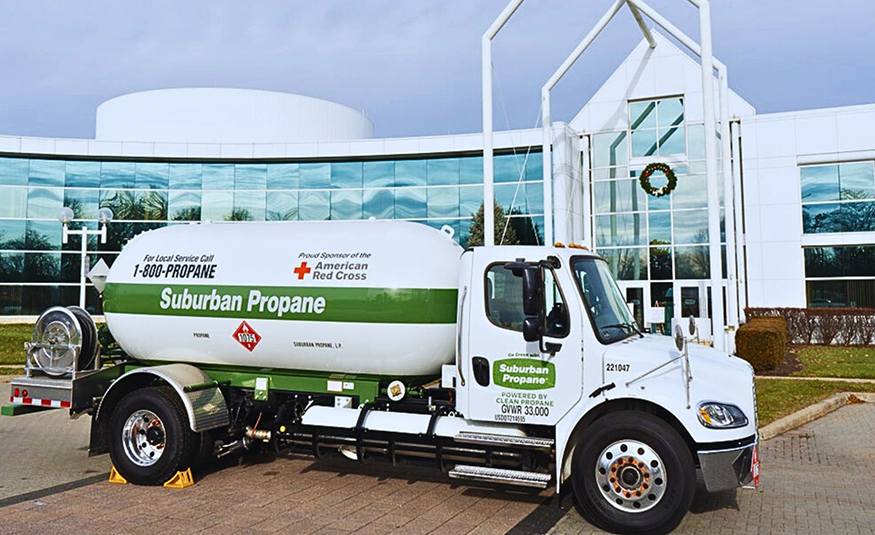
One abundantly available, domestically produced energy source, that has been relied upon for nearly 100 years to ensure energy can be available where and when people and businesses need it, is clean-burning propane. Operating at scale today, propane supply is supported by an extensive nationwide storage and distribution network and, with its energy density and ease of handling, it can be transported and deployed on demand. Deliverable energy provides flexibility, redundancy and responsiveness that strengthens resilience during natural disasters, emergencies and geopolitical disruptions, in addition to being a prime energy source as infrastructure development catches up with demand.
For millions of Americans, particularly in rural and suburban communities, propane is already part of everyday life. Propane’s versatility allows it to power everything from home heating to agricultural irrigation pumps, to port equipment and school buses, for backup and temporary power generation, and in heavy machinery and industrial applications, among so many other uses.
"One abundantly available, domestically produced energy source, that has been relied upon for nearly 100 years to ensure energy can be available where and when people and businesses need it, is clean-burning propane."
Domestic production of propane, a by-product of natural gas processing and crude oil refining, has reached a record level of 3.0 million barrels per day in recent weeks. Despite increased demand for exports as a result of the supply disruptions from the closure of the Strait of Hormuz, coupled with higher domestic demand for heating purposes from cooler winter weather, propane supplies remain abundantly available. According to the Energy Information Administration, domestic propane inventories at the end of April 2026 were approximately 55% higher than the five-year average for this time of year.
Even as crude oil, gasoline and diesel prices increased more than 65% following the outbreak of conflict in the Middle East, propane prices remained comparatively stable, increasing just over 40% at their peak. True energy security is not only about what we produce, but also about what we can deliver. Propane offers abundantly available, on-demand, reliable, affordable energy when it matters most.
Resilience in practice
The importance of on-demand energy is never more acute than during disaster response. When hurricanes, wildfires, and winter storms compromise the grid, recovery depends on rapidly deployable fuels. At Suburban Propane, we have seen firsthand how important that responsiveness can be to help power shelters, mobile kitchens, refrigeration for medications, hot water systems and communication networks during the earliest and most critical stages of disaster preparedness and recovery. In the immediate aftermath of Hurricanes Helene and Milton in 2024, along with the California wildfires in 2025, it was propane that helped power critical relief operations when electricity and other infrastructure were compromised.
That principle extends beyond disaster-related emergencies. Today’s pressures on the energy system are increasingly becoming part of the new normal. Interconnection delays continue slowing new infrastructure development. Peak demand periods are placing growing strain on local capacity. Global instability and supply disruptions continue adding complexity to long-term energy planning.
Meeting these challenges will require a balanced and diversified energy strategy that prioritizes reliability and affordability alongside innovation. A resilient energy system cannot depend exclusively on solutions requiring decades of infrastructure expansion before they can respond to demand. It also needs flexible, deliverable energy resources available today.
The next chapter
The case for deliverable energy also points toward the future of lower-carbon fuels. Renewable propane and renewable natural gas build upon the advantages of deliverable fuel systems while offering improved lifecycle emissions performance.
One of the greatest strengths of these fuels is their compatibility with existing infrastructure and equipment. Customers can reduce emissions without prematurely replacing appliances, overhauling systems or waiting for entirely new distribution networks to be built. As the energy evolution continues, scalable solutions that work within today’s infrastructure can help accelerate progress while maintaining affordability and reliability.
Deliverable fuels are not the sole answer to America’s energy challenges, but they can play an important supporting role within a diversified energy portfolio. They provide readily available energy that can complement evolving grid infrastructure while supporting homes, businesses and critical services during periods of system stress. In rural communities especially, deliverable fuels can play a critical role in expanding energy access by supplementing existing sources to meet rising demand and by enabling off-grid electric generation.
"Deliverable fuels are not the sole answer to America’s energy challenges, but they can play an important supporting role within a diversified energy portfolio."
Recent global events have reinforced an important lesson: energy security cannot depend on assumptions that infrastructure will always function uninterrupted or that supply chains will remain stable during periods of conflict and disruption.
Resilience requires diversification, operational flexibility and energy systems that can perform under stress, which is why deliverability, affordability and redundancy should remain central criteria in energy policy and infrastructure planning. As the nation evaluates the future of energy, deliverability, reliability and affordability must remain central to the conversation.
Source and copyright NJBIZ: OPINION: Energy security depends on deliverable, reliable fuels