
Rural community in Dorset switches every home to BioLPG
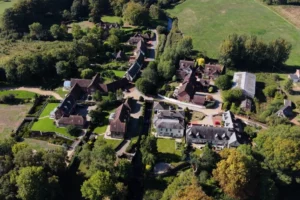
The BioLPG Village, a project from Calor, has led to all residents at Witchampton Mill in Dorset agree to switch their heating supply to a 100% BioLPG tariff.
According to a statement, this gives residents a way to reduce the carbon impact of heating their homes without replacing their existing LPG boilers, tanks or heating infrastructure.
The switch is expected to save approximately 79 tonnes of carbon emissions per year.
Like many rural communities not connected to the mains gas grid, residents in Witchampton Mill rely on LPG to heat their homes. BioLPG can be used as a direct replacement for conventional LPG. This means households can make the switch without any changes, disruption or the cost of installing a new heating system.
Kate Fenton Smith, a resident, said: “We’re exceptionally proud that the Mill is the first community in Dorset to do this. We wanted to find a way to reduce the carbon impact of heating our homes that would work for everyone, so the fact that we could make the switch easily and without any changes was incredibly important.
“It was great to see everyone get behind the idea and it feels like a really positive step for us all.”
BioLPG is a renewable alternative to conventional LPG. The statement noted that ut can deliver up to 84% lower carbon emissions, while allowing households to continue using their existing LPG heating systems.
Alastair Lovell, head of sustainable fuels at Calor, added: “What makes Witchampton Mill particularly significant is that the whole community is making the switch together.
“Rural communities across the country face the same challenge of reducing the carbon impact of heating homes that are off the gas grid. Witchampton Mill shows that there is a practical way to make progress without requiring residents to replace boilers, tanks or other existing LPG equipment.
“We hope what residents have achieved here can provide a useful example for other rural communities looking for practical ways to reduce the carbon impact of heating their homes.”